Innovations in biotechnology and advances in stem cell biology are currently revolutionizing biomedical research and drug discovery.
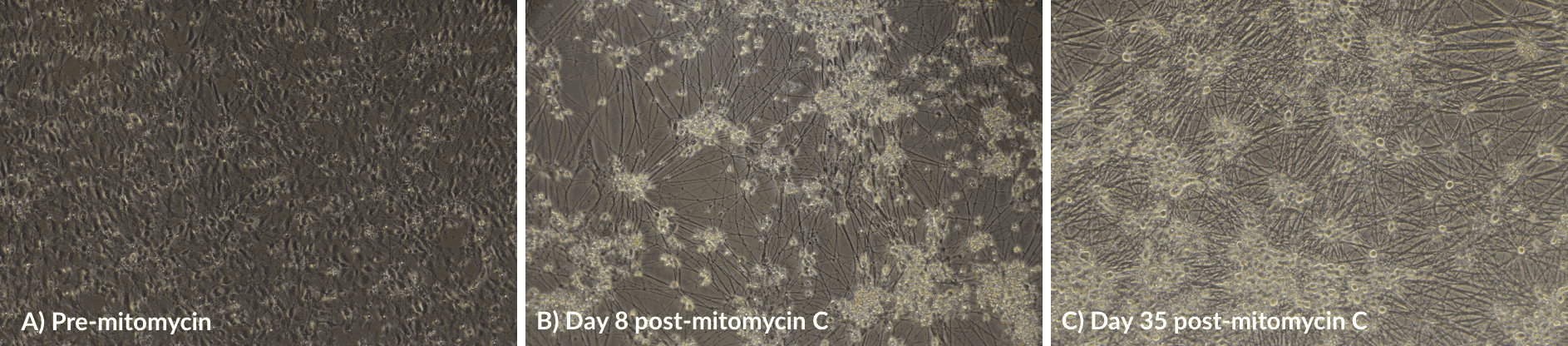
One exciting breakthrough has been the ability to produce sensory neurons from human induced pluripotent stem cells (hiPSCs) and culture them in vitro on multi-electrode array (MEA) systems, to advance pain research and the discovery of effective pain therapies.
Although traditional in vitro cell-culture methods have used non-human mammalian neurons, it is now recognized that these animal-derived models lack physiological relevance and translatability to humans .
Here at Axol, our team of scientists have recently found that hiPSC-Derived Sensory Neuron Progenitors cultured on MEA systems can replicate the in vivo characteristics and firing responses of human sensory neurons and express the typical sensory markers involved in human nociception, offering a viable and more physiologically relevant model of human pain perception to replace animal-derived models.
Do you want to know how to culture hiPSC-Derived Sensory Neuron Progenitors in your lab? Then read on as our researchers offer you their top tips, helping you along the road to more reliable, translatable, and higher-impact research that could change the lives of patients around the world.